The GlocK and youth culture
Categories
Branding, Web Design
Client
Arden & Co.
Project
Project Echo
Services
Branding
Art & Design Direction
Motion
Web design
Year
2025
Categories
Branding, Web Design
Client
Arden & Co.
Project
Project Echo
Services
Branding
Art & Design Direction
Motion
Web design
Year
2025
In 1982, a curtain rod manufacturer with zero firearms experience submitted a polymer pistol to the Austrian military. They laughed. Then they tested it. Then they adopted it. By the mid-1980s, American police forces were ditching their revolvers. By the 1990s, hip-hop was name-checking it more than any other brand. By 2025, the Glock had become so ubiquitous in American culture that its name functioned as a generic term for handgun—like Kleenex for tissue or Xerox for photocopying. This is the story of how a minimalist engineering marvel designed for reliability became a cultural phenomenon embedded in America's youth consciousness—and how that phenomenon intersects with the deadliest crisis facing American children today. Firearms are now the leading cause of death for Americans ages 1-17, and the Glock, through its prevalence in law enforcement, penetration into popular culture, and prominence in hip-hop music and drill videos, sits at the center of an impossible conversation. But let's be clear: this isn't about blaming a weapon or an art form. It's about understanding how design, culture, economics, and systemic inequality created a perfect storm—and what evidence-based solutions can actually reduce the body count.
Gaston Glock wasn't a gun guy. Born in Vienna in 1929, he'd spent his career making curtain rods, knives, and military components out of advanced polymers. When the Austrian military announced a competition for a new service pistol in 1980, Glock saw an opportunity, not because he understood firearms, but because he didn't. He did what any engineer would do: he bought every top pistol on the market (Beretta 92F, Sig Sauer P220, CZ 75, Walther P38), tore them down, studied them, and talked to actual users about what sucked. He spent weeks at the Austrian Patent Office reviewing firearm innovations. He analyzed accident statistics to understand how guns failed under stress. The result was the Glock 17—so named either for its 17-round magazine capacity or because it was Glock's 17th patent, depending on who you ask. The gun had 34 parts. Most pistols had 50+. It was 40% polymer. It had no external safety. It was lighter, simpler, more reliable, and cheaper to manufacture than anything on the market. In 1983, the Austrian Army adopted it. In 1984, it passed NATO durability tests. By the mid-1980s, it arrived in America—just as crime rates were exploding and police felt outgunned.
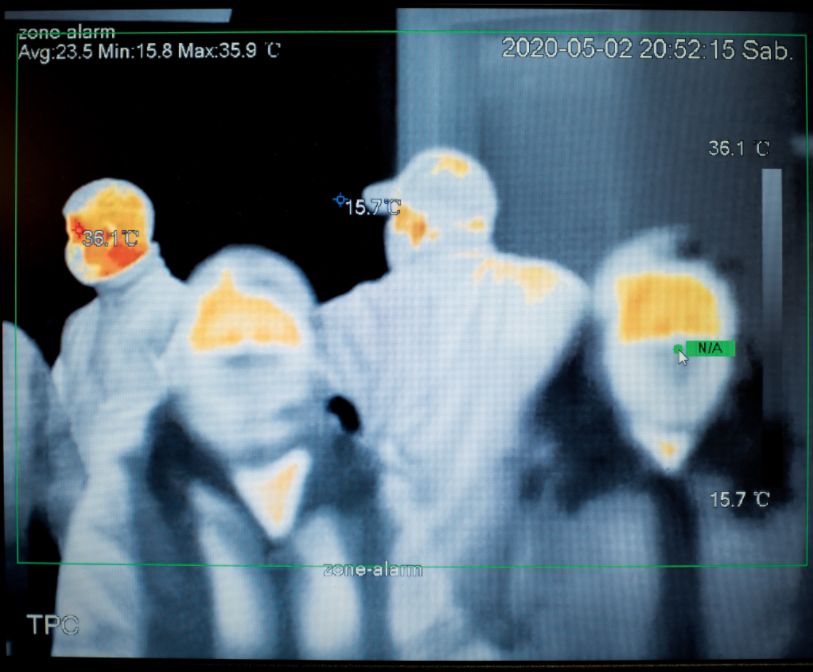
Here's where the story gets grim. The Glock arrived in America during the 1980s crack epidemic, becoming the weapon of choice for both police and criminals. By the 2020s, firearms had become the leading cause of death for American children and teens—surpassing car accidents, cancer, and every other cause. The Data Doesn't Lie The numbers are staggering:
• Firearms are the leading cause of death for Americans ages 1-17
• From 2013 to 2022, gun death rates among children increased 106%
• Every day in America, 32 children and teens are injured by gunfire, and 7 are killed
• 65% of child and teen gun deaths are homicides
• The U.S. gun homicide rate among young people is 49 times higher than other developed nations
• Young Americans ages 12-30 face gun-related crimes at a rate 2.2 times higher than those over 30
But the crisis doesn't affect all communities equally.
Structural Racism and Concentrated Poverty Black male teens and young adults (ages 15-34) accounted for 34% of all gun homicides in 2022, despite representing just 2% of the U.S. population. The gun homicide rate for Black males ages 15-34 is 24 times higher than for white males in the same age group. For Black female teens and young adults, rates are 9 times higher than white females. These disparities aren't accidents—they're the direct result of generations of systemic inequality: redlining, discriminatory housing policies, unequal education funding, mass incarceration, and economic disinvestment in communities of color. Gun violence is both a symptom and a perpetuator of these structural injustices. Hispanic youth face their own crisis: firearm suicide rates for Hispanic youth ages 10-17 more than doubled from 2013 to 2022. American Indian/Alaska Native youth are 5 times more likely to die by gun homicide than white youth.
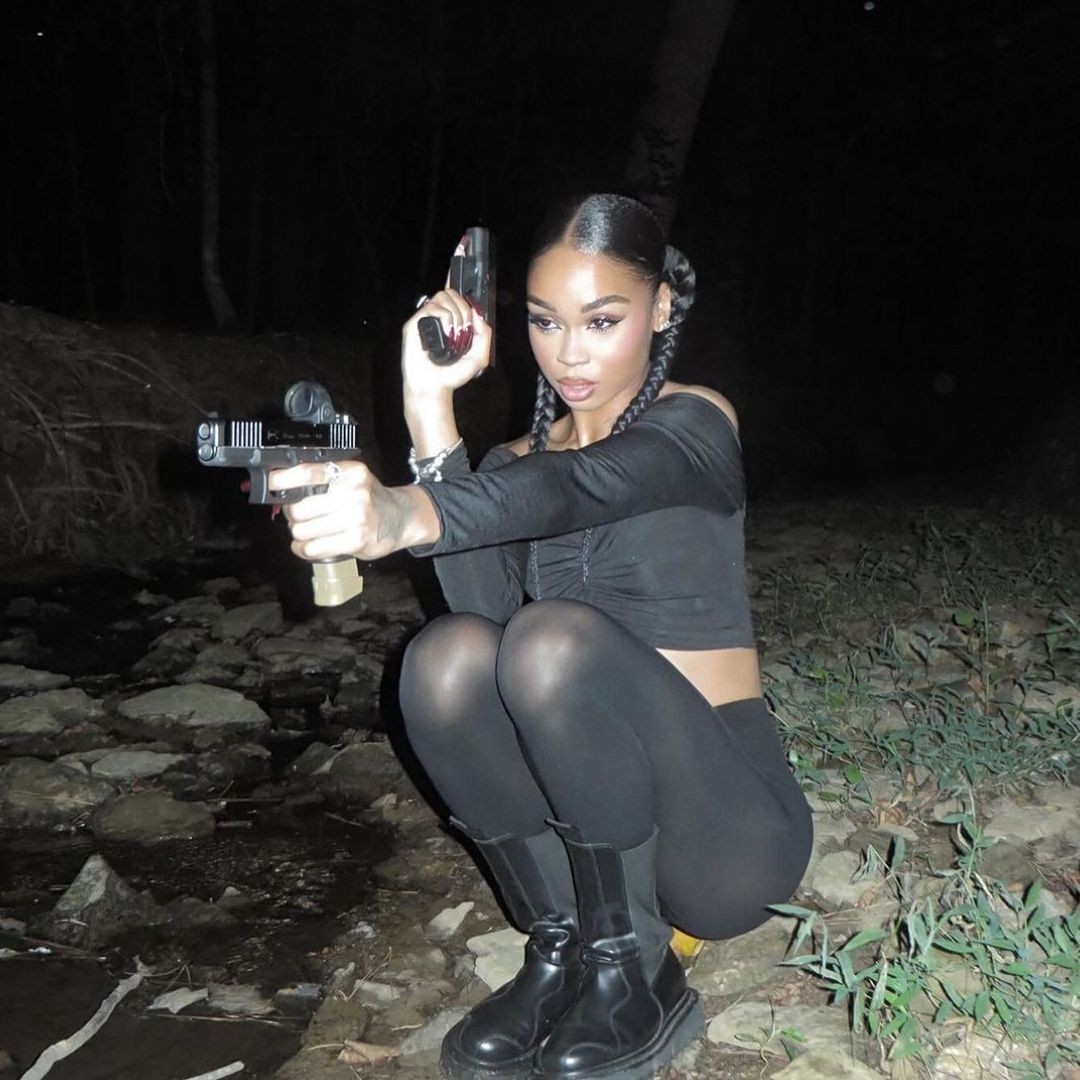
The Glock appears in hip-hop songs more than any other firearm brand. This isn't random. The name is monosyllabic, phonetically hard, and rhymes easily: block, rock, stock, clock. By the 1990s, Glocks were everywhere—police carried them, criminals used them, and the weapon became cultural shorthand for power, threat, and authenticity. Memphis rapper Key Glock (Markeyvius Cathey) literally adopted the weapon as his stage name. His Yellow Tape, 'Glockoma,' 'Glockaveli'—turned the gun into personal branding. When he scored his first #1 at U.S. Urban Radio with 'She Ready' in 2025, the Glock name was inseparable from his identity. Gangsta rap, which emerged from economically devastated inner-city communities, often depicted Glocks as survival tools in environments where violence was endemic. Artists like Ice Cube, Tupac, Notorious B.I.G., and later generations including Chief Keef, referenced Glocks as symbols of self-protection, status, and resistance against systemic oppression. But here's the complexity: much of gangsta rap emerged as social realism—artists documenting the violence, poverty, and systemic abandonment of their communities. The problem occurs when the line between documentation and celebration blurs, particularly in the commercial evolution of rap.
Drill music—born in Chicago's South Side in the early 2010s—took the Glock's cultural presence to another level. The genre, characterized by ominous beats and confrontational lyrics, emerged from neighborhoods like Dro City in the Woodlawn community, where violence was endemic. The term 'drill' itself means to retaliate or shoot. Chief Keef's 2012 single 'I Don't Like' brought drill to national attention. His music videos—raw, gritty, shot with actual cameras in impoverished neighborhoods— became drill's visual paradigm. As videographer DGainz explained, 'Confusion fueled its shock value. How did these little kids from the hood afford a real camera? No one had seen those gritty crevices of Chicago before.' Drill spread to the UK by 2012-2013, where South London youth adapted Chicago's sound with faster tempos, sliding 808s, and British slang. UK drill developed its own visual identity masks, balaclavas, and tracksuits shaped partly by economic necessity, partly by the desire to avoid police identification. Groups like 67, 150, and Harlem Spartans pioneered the UK scene, which then influenced Brooklyn drill artists like Pop Smoke. The controversy is real: UK authorities deleted over 30 drill videos in 2018, with Metropolitan Police Commissioner Cressida Dick blaming some videos for fueling murders and violent crime. But as journalist Ciaran Thapar noted, 'Rather than addressing the causes of youth violence, those in power are content to target the music that rises, like steam from a pressure cooker, out of these conditions.'
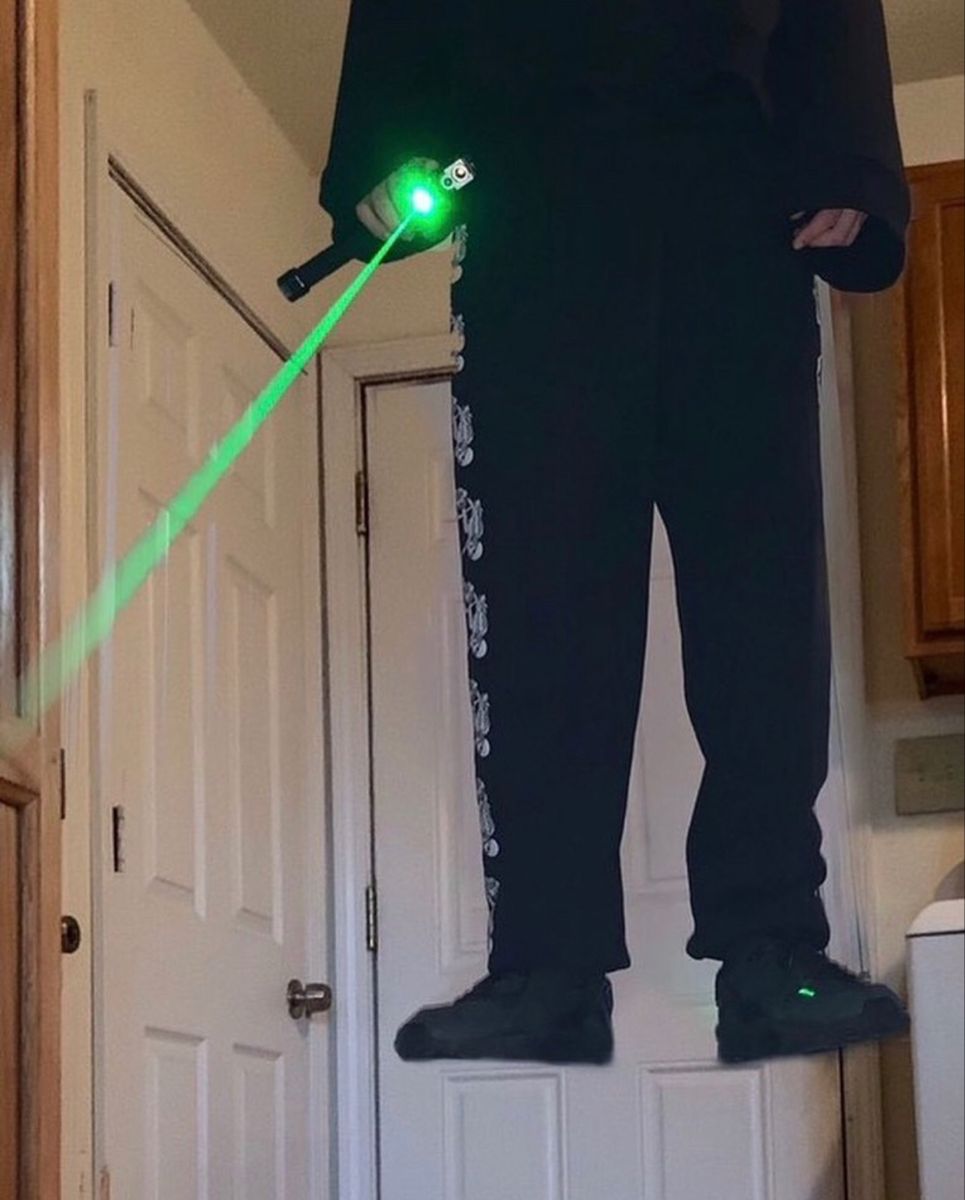
The Commodification of Trauma
Here's where it gets uncomfortable: as hip-hop was marketed to mass audiences in the 1980s-90s, record labels (often white-owned) increasingly promoted content emphasizing violence, materialism, and misogyny because it sold. White suburban consumers comprise 80% of hip-hop's audience. Major labels pushed commercial gain that commodified Black trauma and violence for suburban consumption. As one study noted: 'America was now looking at images of rappers in their videos living in low-income projects and ghettos, committing crimes and waving around guns like it was a normal thing to do. This in return caused the youth of these communities to believe that is what they were supposed to be doing because they saw it on TV and experienced it in their everyday lives.' Crucially, hip-hop has also been credited with giving minorities a voice, establishing economic advancement opportunities, and denouncing police brutality and systemic racism. It is simultaneously a tool of empowerment and, in some forms, a vehicle for harmful narratives. Reducing the conversation to 'rap causes violence' ignores structural factors and scapegoats an art form while absolving institutions of responsibility.

The Glock's modular design spawned a massive aftermarket industry. Custom slides, barrels, triggers, sights, and frames allow users to personalize their pistols— turning functional tools into expressions of identity. Companies like Grey Ghost Precision, Lone Wolf, Zaffiri Precision, and the GlockStore offer custom builds with Cerakote finishes, engraved slides, compensators, and red dot mounts. This mirrors car culture's tuning scene—where enthusiasts modify vehicles for performance and aesthetics, sharing knowledge through online forums and communities. The Glock, like the Honda Civic or Toyota Supra, became a platform for personal expression through modification. The irony: the same minimalist design philosophy that made the Glock successful— simplicity, reliability, fewer parts—also made it infinitely customizable. Strip away the complexity, and you create a blank canvas.
The Glock's aesthetic—utilitarian, angular, devoid of ornamentation—influenced design far beyond firearms. Its minimalist silhouette appeared in fashion accessories, streetwear graphics, and product design. The 'less is more' philosophy resonated with movements like techwear and minimalist streetwear, where clean lines and functionality trump decoration. Fashion brands incorporated gun-inspired design elements: holster-style bags, tactical vests as streetwear, and military-spec materials. The Glock became a design archetype—a symbol of efficiency and lethality rendered beautiful through subtraction. Luxury streetwear brands like Fear of God embrace this aesthetic: oversized silhouettes, muted colors, minimal branding, military influences. The Glock's design DNA—form follows function, no wasted lines, became aspirational.
The Conceptual Rebrand The challenge was this: how do you address the Glock's role in youth gun violence without demonizing the weapon, the art form, or the communities most affected? How do you acknowledge that a tool designed for maximum lethality has become a symbol of status, survival, and identity for marginalized youth? Off-Kilter's conceptual rebrand explored 'Safety vs. Status'—the tension between the Glock's intended purpose (defensive tool for trained professionals) and its acquired meaning (symbol of power and street credibility). The rebrand didn't propose changing the Glock itself. Instead, it examined cultural intervention points:
Counter-narratives in hip-hop that emphasize community protection over individual violence
• Artist-led violence intervention programs using credible messengers from the culture
• Design education programs teaching youth about form-follows-function aesthetics beyond weapons
• Economic alternatives that provide the status and identity young people seek through music and art careers
The insight:
You can't eliminate the Glock from culture by banning drill videos or lecturing about gun control. You have to offer something equally compelling— economic opportunity, artistic expression, community belonging
Gaston Glock died in December 2023 at age 94, having created one of the most influential products of the 20th century. His pistol revolutionized firearms through minimalist engineering, user-centered design, and relentless focus on reliability. It became the weapon of choice for law enforcement in 48 countries. It saved countless lives. It also became embedded in youth culture as a symbol of power, status, and survival in communities devastated by structural inequality. The same reliability that made it trusted by police made it preferred by criminals. The same utilitarian design that appealed to professionals made it a canvas for personal expression through customization. The same monosyllabic name that worked in military nomenclature worked perfectly in hip-hop bars. The paradox is this: the Glock succeeded because it was so good at what it was designed to do. And what it was designed to do is kill people efficiently. You cannot solve youth gun violence by banning a weapon or a music genre. Gun violence is not caused by a single object or cultural expression—it's the result of generations of systemic racism, economic disinvestment, concentrated poverty, and trauma. Addressing it requires comprehensive, evidence-based interventions: community violence programs, economic opportunity, mental health support, secure storage laws, and background checks. Hip-hop isn't the problem. Drill music isn't the problem. The Glock isn't the problem. They're symptoms—and in hip-hop's case, often a voice for communities that have been systematically silenced and abandoned. The solution is harder than banning videos or implementing gun control alone. It requires confronting America's original sins: slavery, segregation, mass incarceration, and economic apartheid. It requires investing in communities instead of policing them. It requires listening to the people actually living in these conditions instead of lecturing them about their art. As drill artist Bondakay, son of Mark Duggan, who was shot by police in 2011, said: 'It's my way of escaping gang life and achieving a better life. I want to move my mum into a house.' That's not glorifying violence. That's survival.
February 20, 2025
February 19, 2025