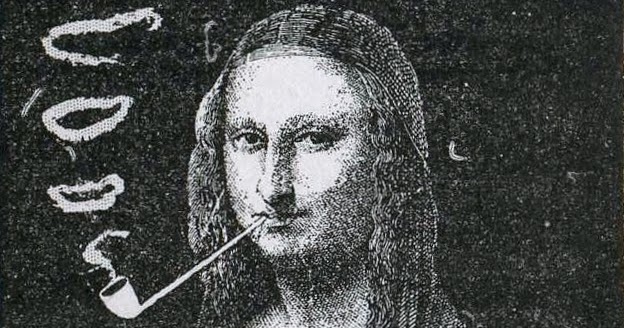
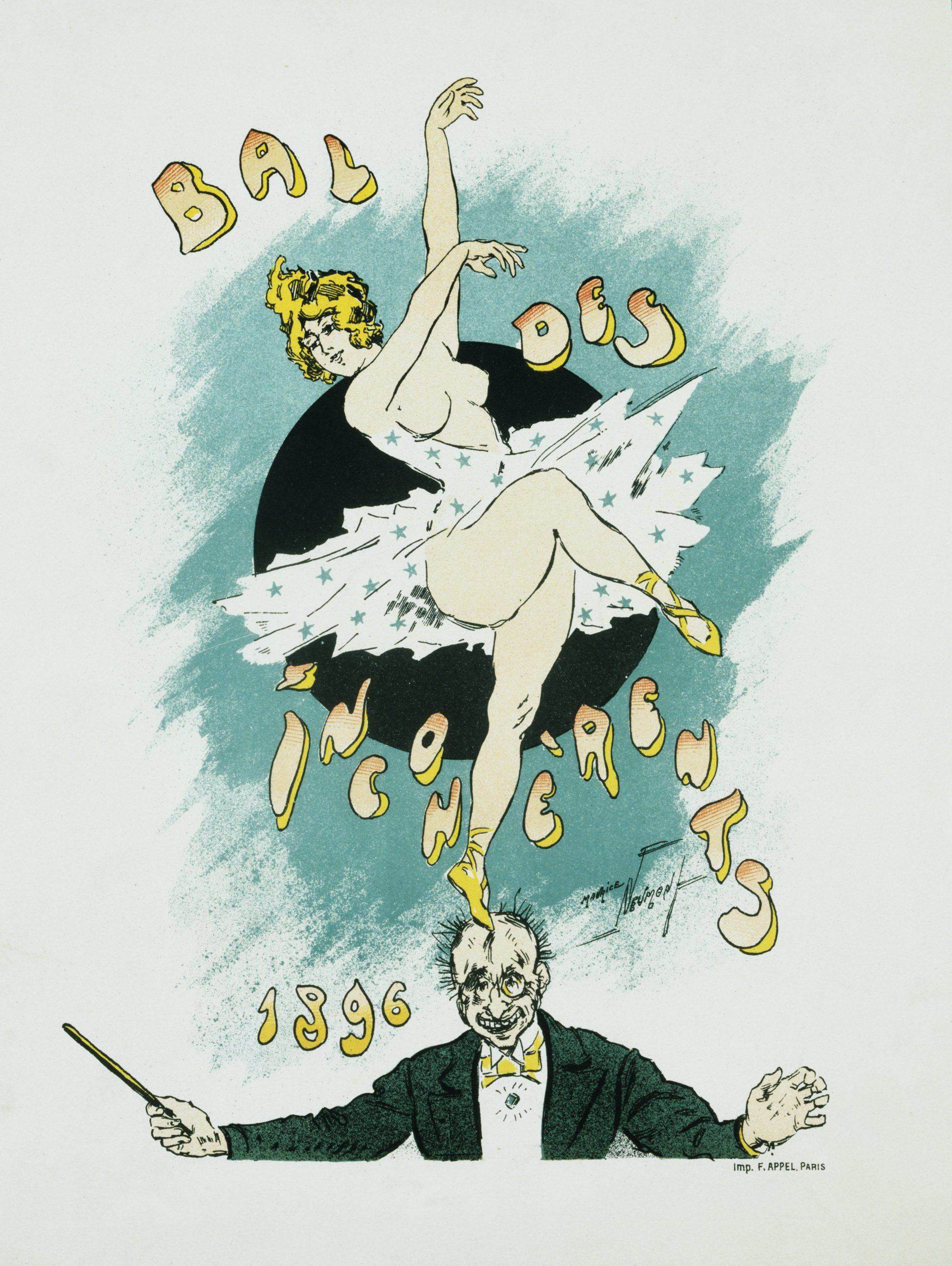
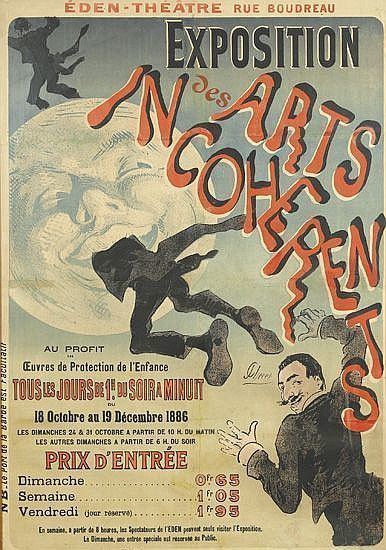
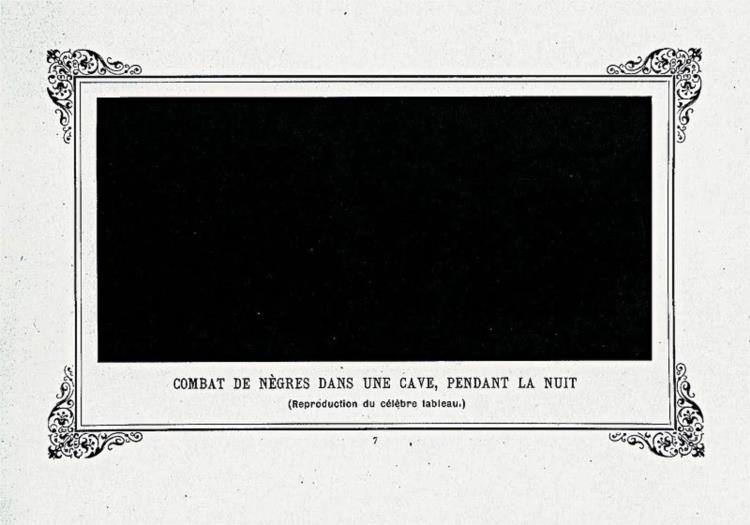
On October 1, 1882, two thousand people crammed into a tiny Parisian apartment at 4 rue Antoine Dubois for what was supposed to be an "unusual evening." Among the crowd: Édouard Manet, Pierre-Auguste Renoir, Camille Pissarro, and Richard Wagner. They had come to see something unprecedented—an exhibition of art made by people who couldn't draw.
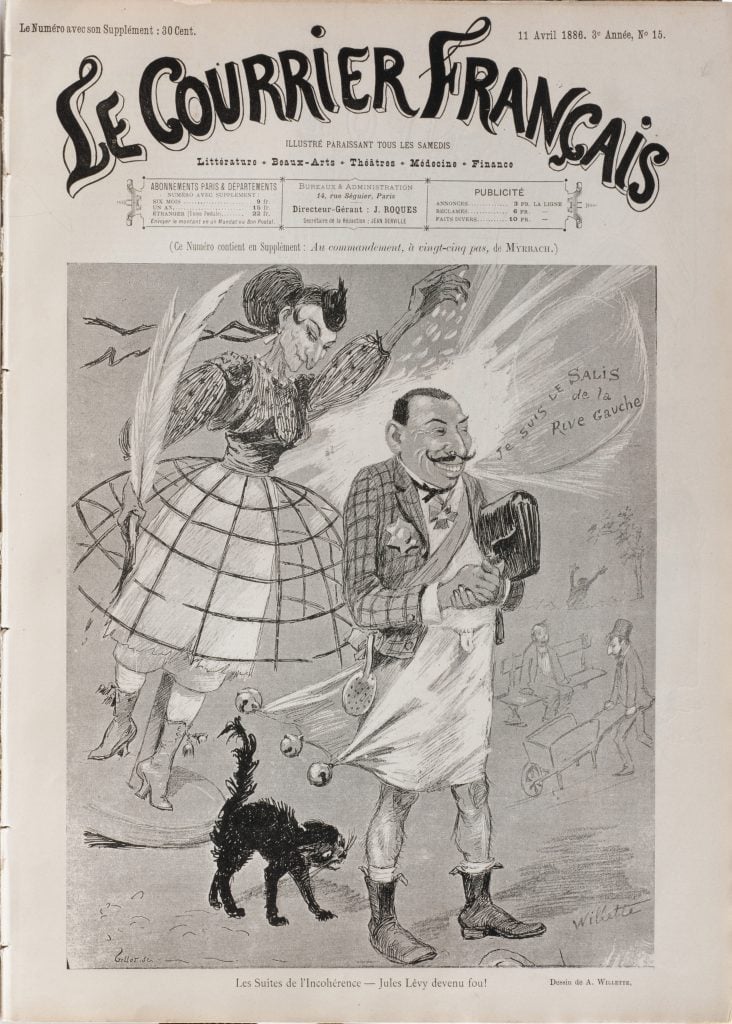
The host, Jules Lévy,
had a simple manifesto:
"Death to clichés, to us young people!"
What they witnessed would unknowingly shape the next century of art. But nobody was taking it seriously. That was the entire point.
Who Were These People?
Jules Lévy was a Parisian writer, publisher, and former member of the bohemian literary club Les Hydropathes. He wasn't trying to start an art revolution—he was trying to make people laugh during a dark time in French society.
The name "Les Arts Incohérents" was itself a joke, a play on "les arts décoratifs" (decorative arts), which was also the name of a prestigious Parisian art school. Lévy was essentially calling his movement "Incoherent Arts"—the opposite of everything the establishment stood for.