
Categories
Brand Strategy, EV Design
Role
Design Research
Year
2026
The Challenge: When Heritage Is Both Your Superpower and Your Trap
Here's the bind Jaguar had engineered for itself: the very thing that made the brand magnetic — the leaping cat logo, the growling petrol identity, the E-Type's impossible curves — was also handcuffing it to a shrinking customer. The loyal Jaguar buyer was overwhelmingly male, overwhelmingly over fifty, and overwhelmingly uninterested in electric vehicles.
JLR's plan was audacious. Transform Jaguar into a purely electric, ultra-luxury brand — competing not with BMW and Mercedes, but with Rolls-Royce and Bentley. Every new vehicle priced above £100,000. A new electric architecture, the JEA, built from scratch. A new design language. And a complete brand identity overhaul.
The strategy required something genuinely terrifying: Jaguar would stop selling cars before it had new ones ready.
The existing lineup — XE, XF, F-Pace — wound down. European showrooms went largely empty. The production gap was intentional. The logic was real. But the result was a brand with a bold new identity and nothing to put in it.
"You cannot rebrand your way into a future that doesn't exist yet." — Off Kilter
JLR assigned the rebrand to Accenture Song, the creative consultancy arm of one of the world's largest professional services firms. It was Accenture's first major automotive client.
That detail is important.
The Solution (Sort Of): "Copy Nothing" Except Cars
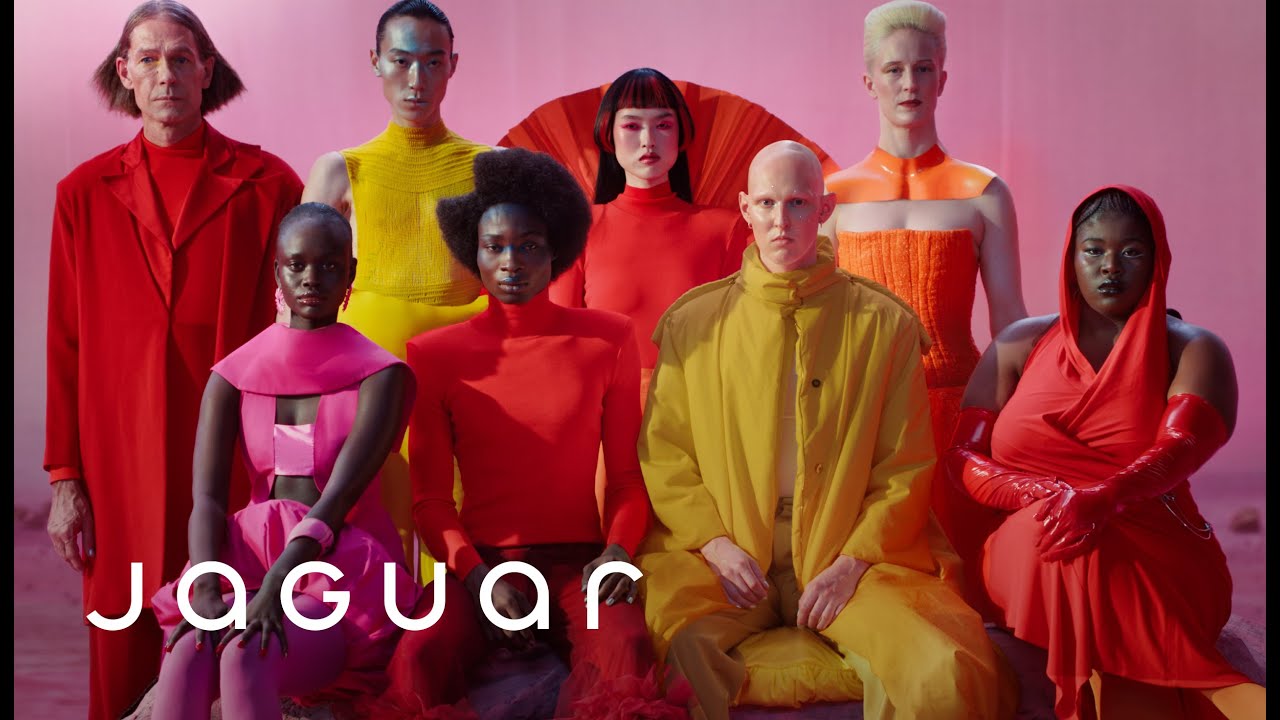
November 19, 2024. Jaguar drops a 30-second video on social media.
Models in avant-garde fashion. Saturated, otherworldly colors. Slogans scrolling: "Create Exuberant." "Live Vivid." "Delete Ordinary." "Break Moulds." "Copy Nothing."
No cars. Not one.
The video hit 100 million views within days — which sounds like a triumph until you notice most of those views arrived with the energy of a confused uncle at a gallery opening. Elon Musk posted four words that did more damage than any competitor campaign ever could: "Do you sell cars?"
The famous "growler" logo, the snarling cat face that had defined the brand for decades, was replaced with a minimalist new "J" mark and a clean geometric wordmark. The leaping jaguar silhouette was redesigned in a way that critics immediately compared, uncharitably but accurately, to clip art.
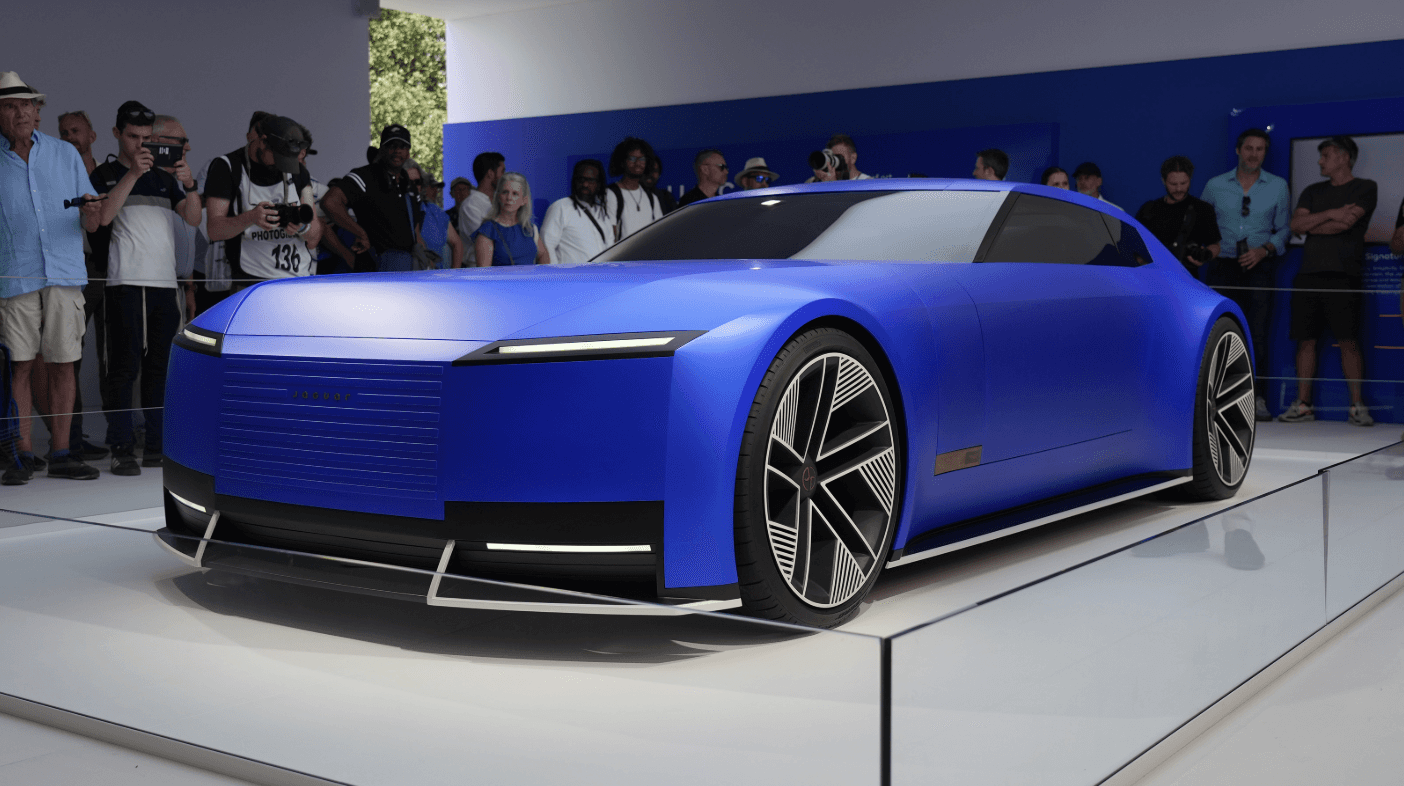
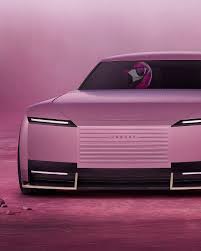
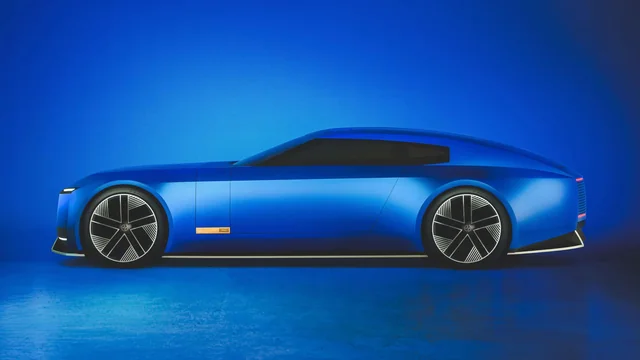
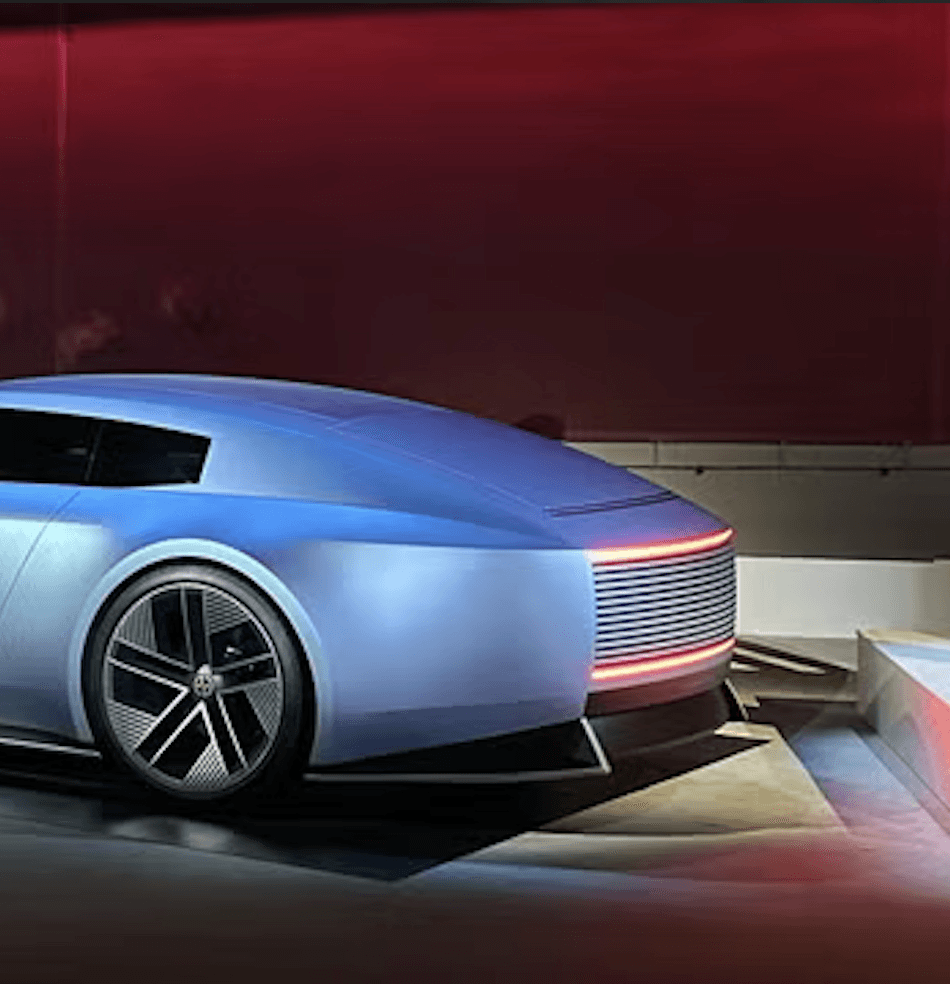
Three months later, at Miami Art Week, Jaguar unveiled the Type 00 concept. A long-bonneted, butterfly-doored, electric grand tourer in Miami Pink and London Blue. Over 1,000 horsepower. 430 miles of EPA range. Zero to 100 km/h in under four seconds.
The car was, by almost universal agreement, stunning.
It just arrived six months after the campaign that made everyone distrust the brand's judgment.
Timing, as any designer will tell you, is not a secondary concern.
"The agency had little automotive experience, and JLR was one of their first car clients." — Industry observers, noting this tactfully, via DesignRush, 2025
Inside JLR, the situation was worse. A letter reportedly signed by more than two dozen members of the internal design team had circulated as early as 2022, seething at the decision to hand the rebrand to an outsider rather than the people who actually knew what a Jaguar was. Design chief Gerry McGovern — who had championed the transformation — was fired in December 2025. Accenture Song was shown the door shortly after. WPP inherited the account.

The Design Autopsy: Three Errors That Compounded
"The rebrand failed" is too easy. Easy is boring. Let's be precise.
The design itself, divorced from the sequencing, was not without merit. The Type 00 is genuinely extraordinary. The "Copy Nothing" positioning had real strategic logic: Jaguar's founder, Sir William Lyons, actually said it first. The visual identity was attempting to build a new language for a next-generation lineup competing at the Rolls-Royce tier.
The failure was architectural, not aesthetic. Three compounding errors:
Error One: No product in the frame. BMW launched electric vehicles while still selling the 3 Series. Mercedes integrated its EQ lineup into existing platforms. Jaguar pulled the existing lineup before the new one was ready. The campaign was the box. There was nothing inside the box.
Error Two: Wrong room, wrong audience. The "Copy Nothing" campaign was built to attract younger, wealthier, culturally-engaged buyers. But the only people paying close attention to Jaguar in late 2024 were the existing customers, the very people the campaign was designed to leave behind. There is a version of this transition that works. It involves running two simultaneous narratives: honoring the faithful while seducing the new. This was not that.
Error Three: Domain knowledge gap. Accenture Song is excellent at data, systems, and strategy. But executing a 102-year-old brand's most important transformation required more than strategic competence. It required knowing, in your bones, what a Jaguar means. What it smells like. What it costs emotionally. Design without domain knowledge produces work that is competent and hollow in equal measure.
The Twist: A Video Game Puts the Car Back in the Room
Here is where the story earns its surprise ending.
In 2026, IO Interactive, the Copenhagen studio behind the Hitman trilogy, released 007 First Light, a reimagined origin story of a young James Bond, developed in association with Amazon MGM Studios.
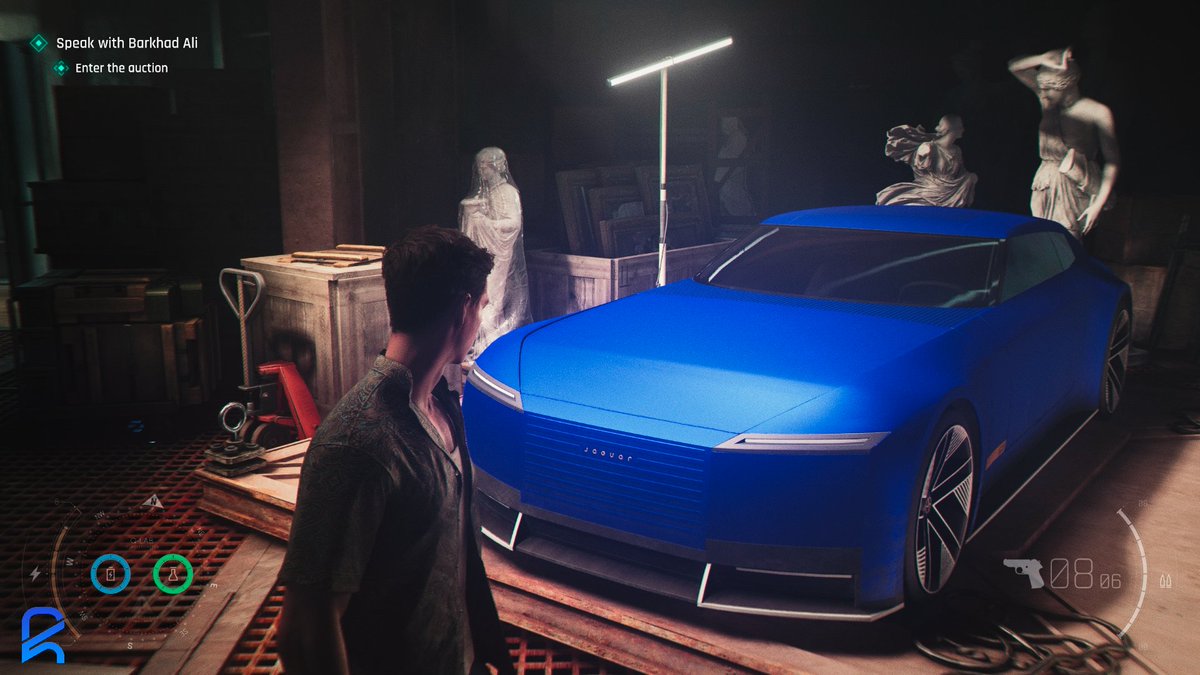
The game features a selection of Jaguar Land Rover vehicles. And buried deeper in the game, the kind of thing you discover rather than are told, the Jaguar Type 00 appears, rendered in vivid electric blue, driven by Bond through the Carpathian Mountains.
Consider what that means.
The Type 00 hasn't reached real roads yet. It exists as a concept, a promise, and a Miami Art Week memory. But here it is, in the world's most iconic spy franchise, being experienced by exactly the audience the rebrand was designed to reach: young, affluent, globally connected, culturally engaged.
James Bond has long been synonymous with Aston Martin. Seeing Jaguar placed squarely in Bond's world, even virtually, is a genuine shift. And unlike the "Copy Nothing" campaign, nobody had to be told what to feel. The game did it by stealth: narrative context, emotional stakes, the car in motion in a story that already carries weight.
007 First Light is itself a brand reinvention, a Bond stripped of his established identity, rebuilt from scratch for a new generation. Jaguar has been attempting the same manoeuvre since 2024. The difference is that the game is working.
The irony is unplanned and exquisite. The campaign that spent millions trying to introduce the new Jaguar through abstract art failed to make it feel real. A video game did it in ten seconds of gameplay, for free, by putting the car in the right story.
The car, electric blue, in Bond's hands, is chasing through the Carpathians.
That was always the campaign. They just didn't know it yet.
Conclusion: Bond Always Gets the Car
There is a version of the Jaguar story that ends well.
It requires the Type 00 to arrive on time, to drive as brilliantly as it promises, and to find buyers willing to spend £100,000 on a British electric grand tourer from a brand that spent 2024 and 2025 making everyone nervous. None of those conditions is impossible. Some are likely.
What 007 First Light demonstrates quietly, without press releases, is what the right strategy always looked like. Not abstract art at Miami Art Week. Not a fashion campaign with no cars. Not consulting firm prose masquerading as a brand soul.
Stories. Context. A young Bond discovers the world's most elegant electric car in the same breath he discovers himself. The Type 00 doesn't need to be explained. It needs to be experienced.
Jaguar set out to copy nothing and ended up copying everything: the aesthetic of luxury fashion brands, the vocabulary of tech startups, the strategic playbook of EV disruptors. The most original thing they could have done was the simplest — make an extraordinary car, put it in an extraordinary story, and trust the design to do what great design always does.
Related post
February 20, 2025
February 19, 2025