Categories
Product Design, Wearables
Role
Design Research
Year
2026

THE CHALLENGE: THE CURSE OF THE GOGGLE
Before Meta’s breakthrough, every major tech company that attempted to master head-mounted displays (HMDs) fell victim to the same fundamental design flaw: they engineered a computer first and an accessory second. Devices like the original Google Glass or early heavy mixed-reality headsets failed because they introduced massive social and ergonomic friction. They required users to strap heavy, asymmetric, alien-looking hardware to their faces. These designs fractured natural eye contact, signaled constant surveillance, and entirely violated the laws of personal style.
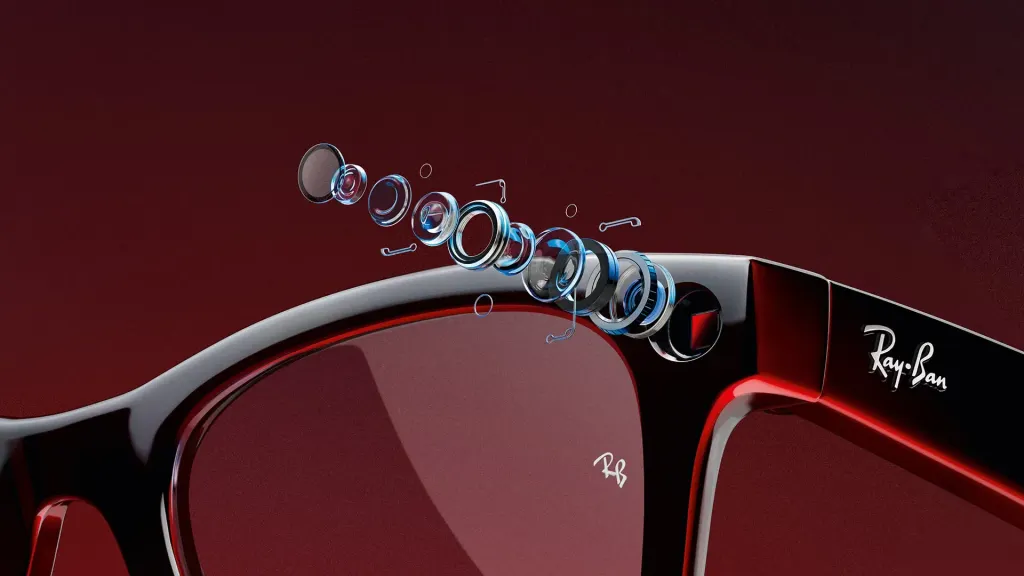
The engineering challenge was seemingly impossible: pack an advanced processor, an ultra-wide camera, a multi-microphone array, directional open-ear speakers, and a lithium-ion battery into a frame that looks completely ordinary, weighs almost nothing, and remains comfortable for continuous wear.
THE SOLUTION: THE ERGONOMIC TROJAN HORSE
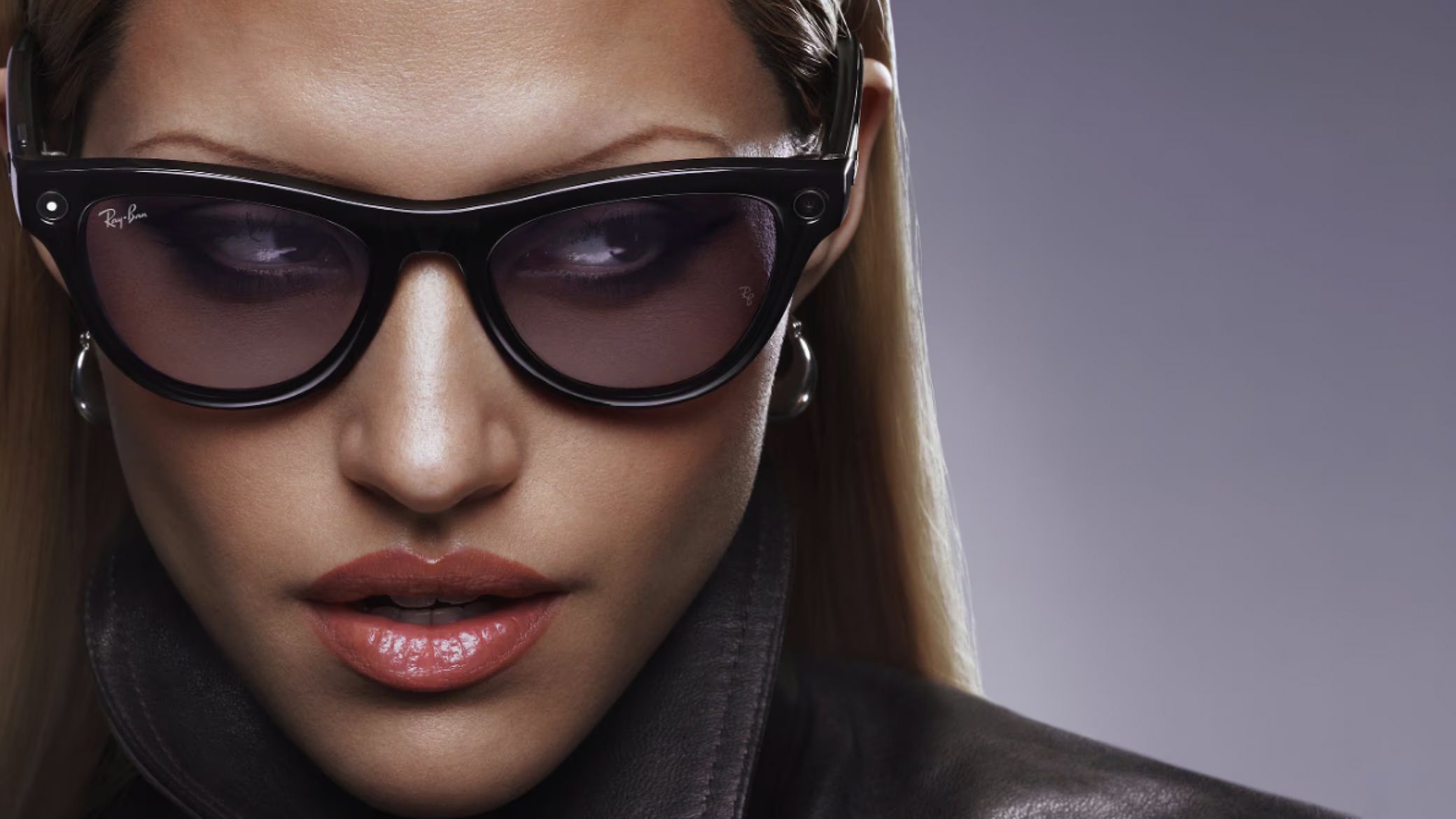
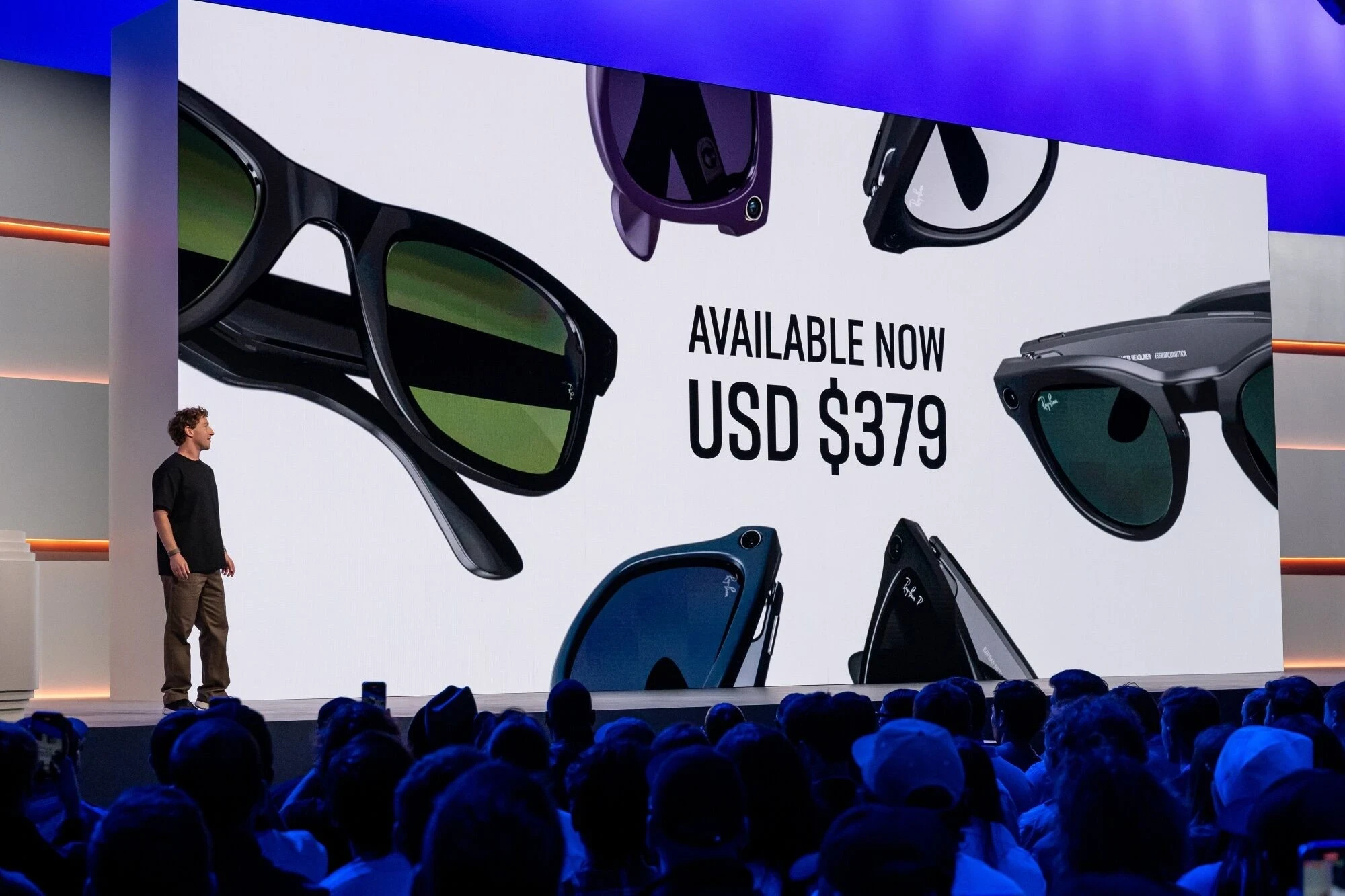
Meta’s genius was a total surrender of technological ego. Instead of inventing a futuristic design language, they partnered with EssilorLuxottica to inject their hardware directly into existing, universally loved legacy silhouettes—specifically the iconic Ray-Ban Wayfarer and Headliner frames.
The strategy was simple: make a premium pair of glasses first. If the device failed as a computer, it still succeeded as an exceptional piece of fashion.
By utilizing ultra-tapered temple arms to conceal the batteries and logic boards, and engineering over-extension hinges that flexed to fit diverse face shapes without warping the internal components, Meta successfully hid an advanced AI hub inside a style staple. They bypassed social rejection by making the tech entirely invisible.
THE DESIGN AUTOPSY: CHASSIS, CORE, AND COGNITION
1. Spatial Weight Distribution & The Display Shift
To achieve all-day wearability, the chassis weight has to sit as close to standard acetate glasses as possible. Across the lineup—culminating in the advanced Meta Ray-Ban Display series—the hardware balances components symmetrically to prevent the frames from feeling front-heavy.
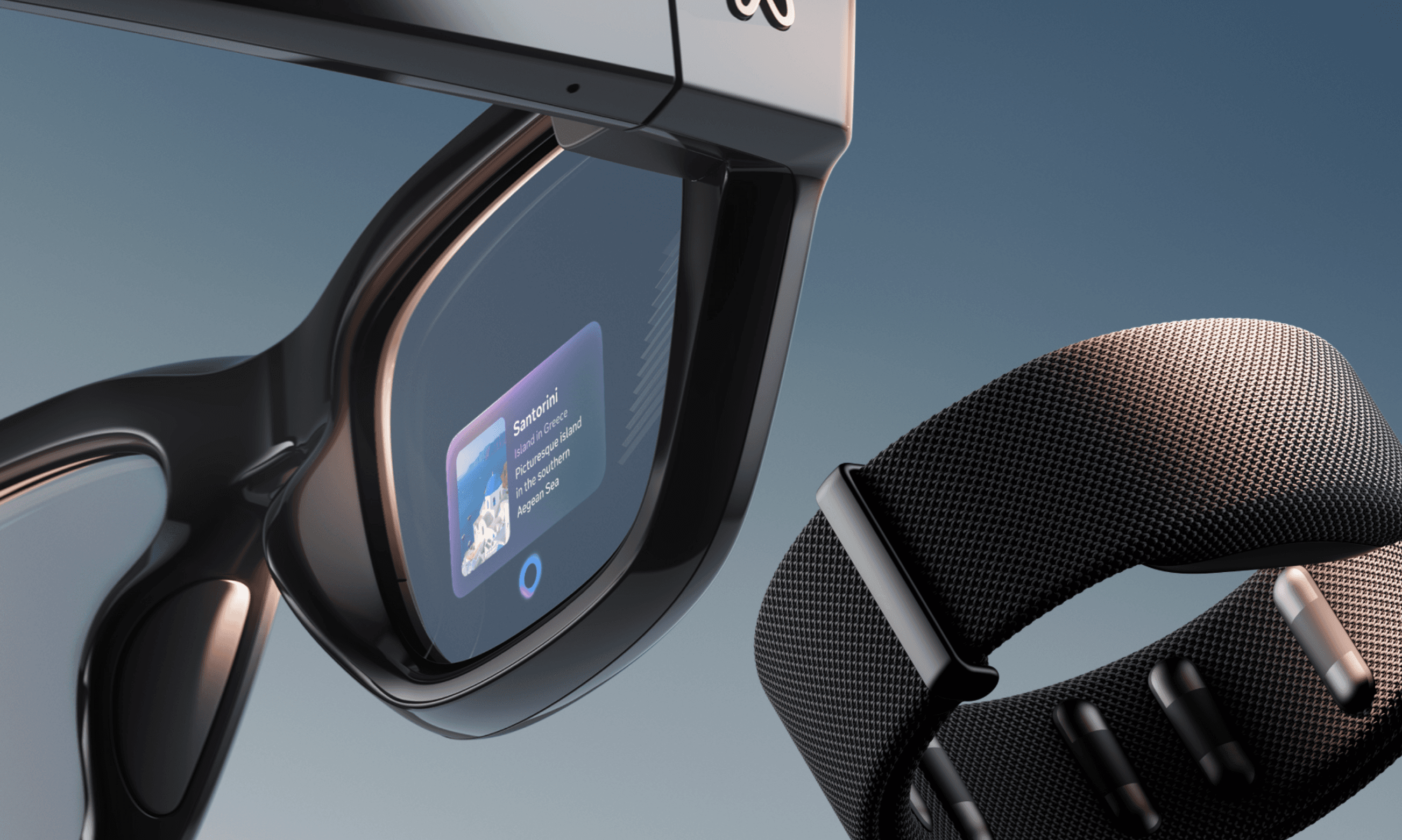
The Display model takes this a step further by integrating a sharp, 600x600 pixel monocular heads-up display directly into the right lens. Operating up to 90Hz and cranking up to 5,000 nits of brightness, it allows users to view messages, interactive widgets, and navigation cues natively in their field of view without needing a bulky screen enclosure.
2. Audio Isolation Architecture
Instead of using bone conduction or intrusive earbuds that isolate the user from their environment, the frames utilize custom-designed, open-ear directional speakers built into the temple arms.
The acoustic drivers use phase-cancellation technology to project audio straight down into the user's ear canal. Backed by an advanced 6-microphone array, this architecture allows the user to take calls, listen to music, or interact with AI with minimal sound leakage, keeping their ears completely clear to engage with the physical world.
3. The Gestural Interface (Meta Neural Band)
To control this display-driven ecosystem without constantly tapping the side of their face, Meta introduced a sleek, textile-based surface electromyography (sEMG) wristband called the Meta Neural Band. Weighing just 42 grams, the band reads micro-muscular electrical signals from the wrist. Users can silently scroll through menus, reply to notifications, and dismiss alerts using subtle, natural hand movements, making the digital interaction look entirely invisible to onlookers.
THE CELEBRITY BLUEPRINT: THE CULTURE-FIRST FLYWHEEL
To cement this lifestyle-first positioning, Meta bypassed standard tech reviewers and executed a highly coordinated, multi-tiered celebrity campaign. They divided their star power into distinct cultural verticals to target different consumer psychographics simultaneously:
1. The High-Gloss Mainstream: The "Everyday Chaos" Narrative
For the mass market, Meta deployed recognizable A-listers to strip away the intimidating nature of artificial intelligence.
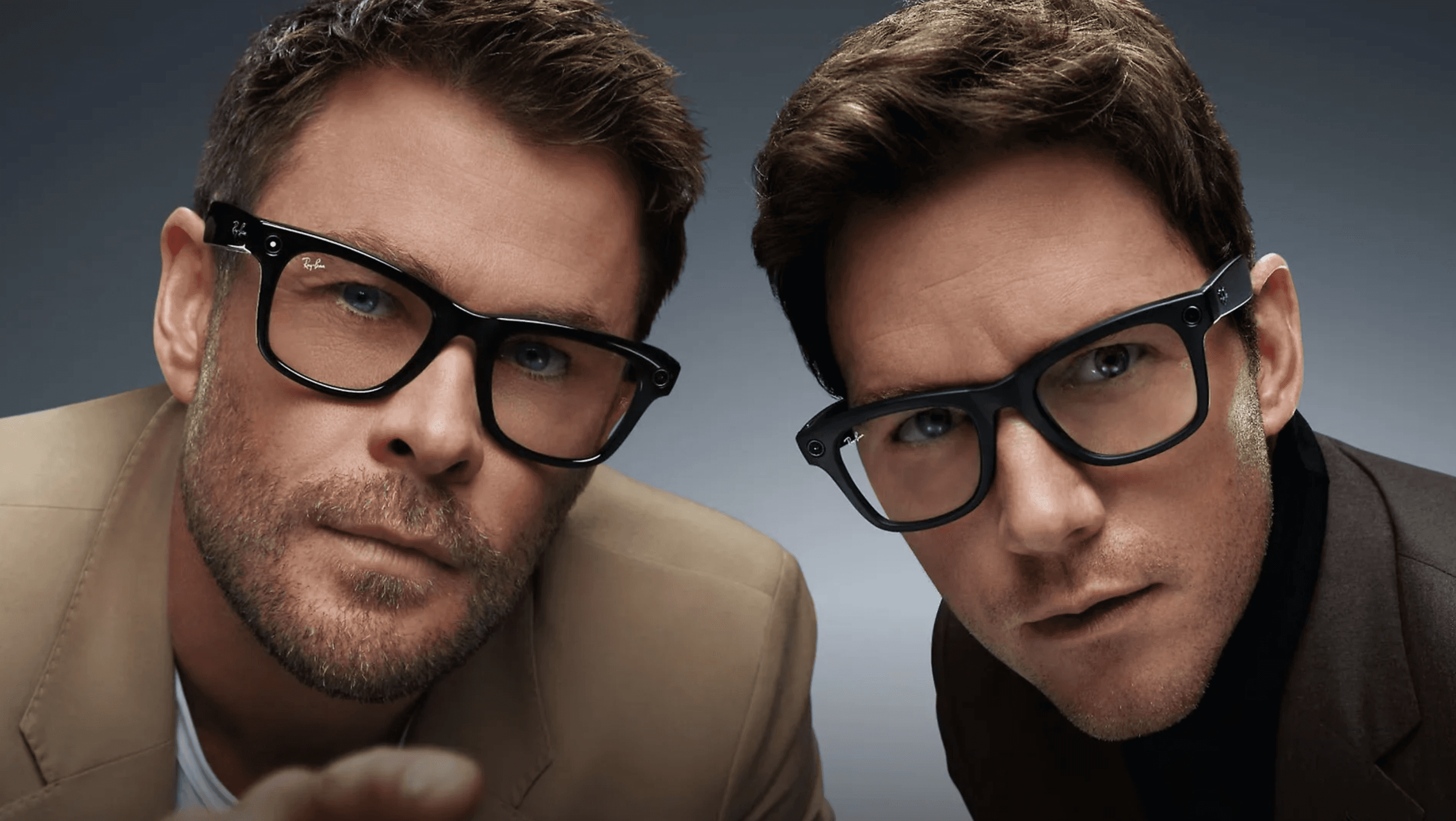
The Talent: Chris Pratt, Chris Hemsworth, and Kris Jenner (directed by Kingsman filmmaker Matthew Vaughn).
The Execution: Rather than demonstrating specs sheets, these high-energy Game Day commercials leaned into comedic storytelling. The actors navigate upscale art galleries, using Meta AI commands like "Hey Meta, who eats art?" to decode bizarre exhibits right before an art prank goes wrong.
2. The Creative Purists: Cultural Authority
To capture the elite creative, design, and artistic communities, Meta partnered with figures who command deep industry respect.
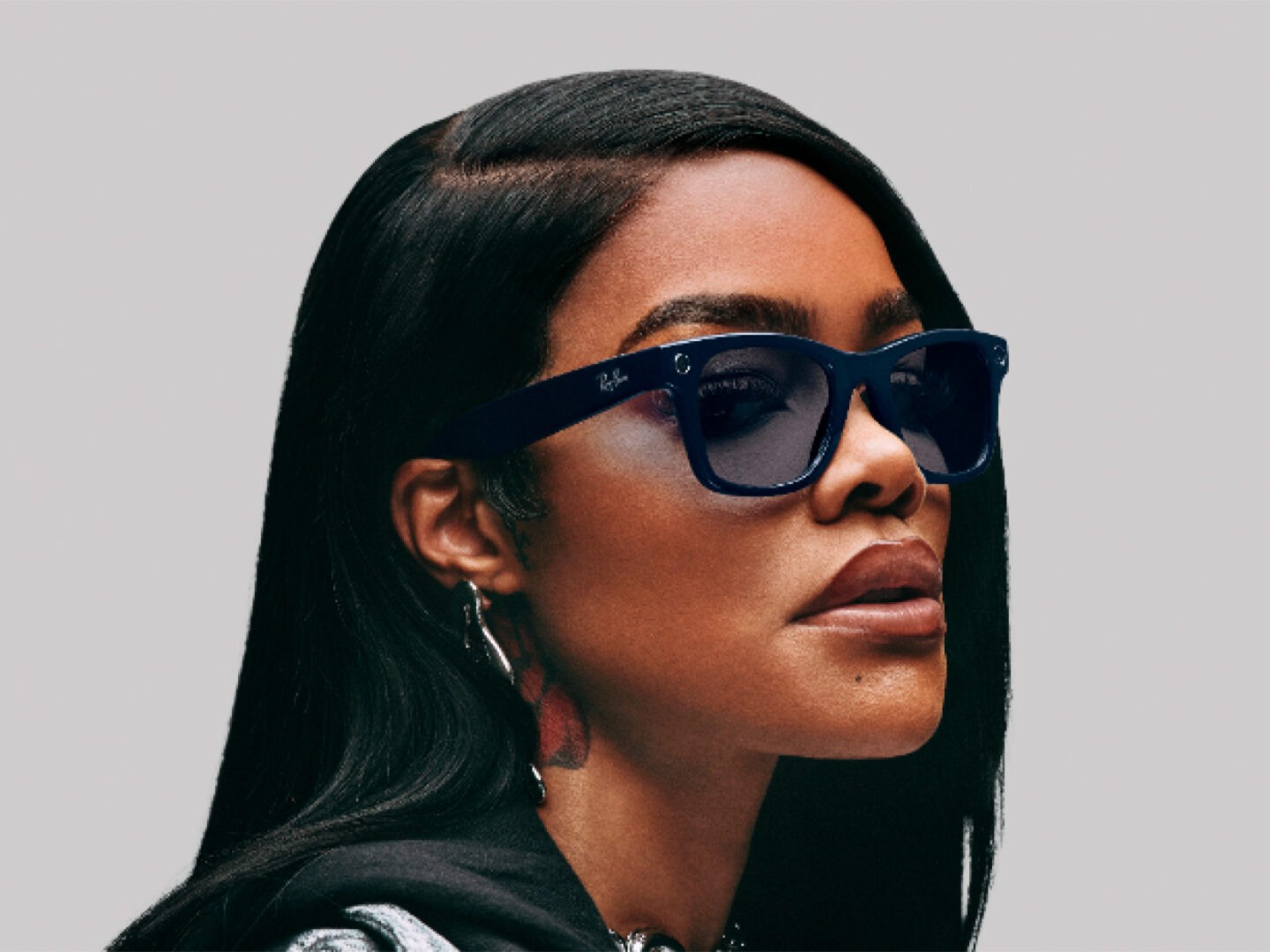
The Talent: Academy Award-winning director Spike Lee and multi-hyphenate artist Teyana Taylor.
The Execution: These campaigns focused heavily on capturing the unseen process. Spike Lee was outfitted with performance-driven lines like the Oakley Meta HSTN frames, using hands-free voice commands to document behind-the-scenes moments and courtside sports culture without ever pulling out a phone or breaking his directorial flow.
3. The Digital Natives: The "POV Streamer" Vibe
To capture Gen Z and the massive vertical-video creator economy, Meta tapped into hyper-viral internet culture.
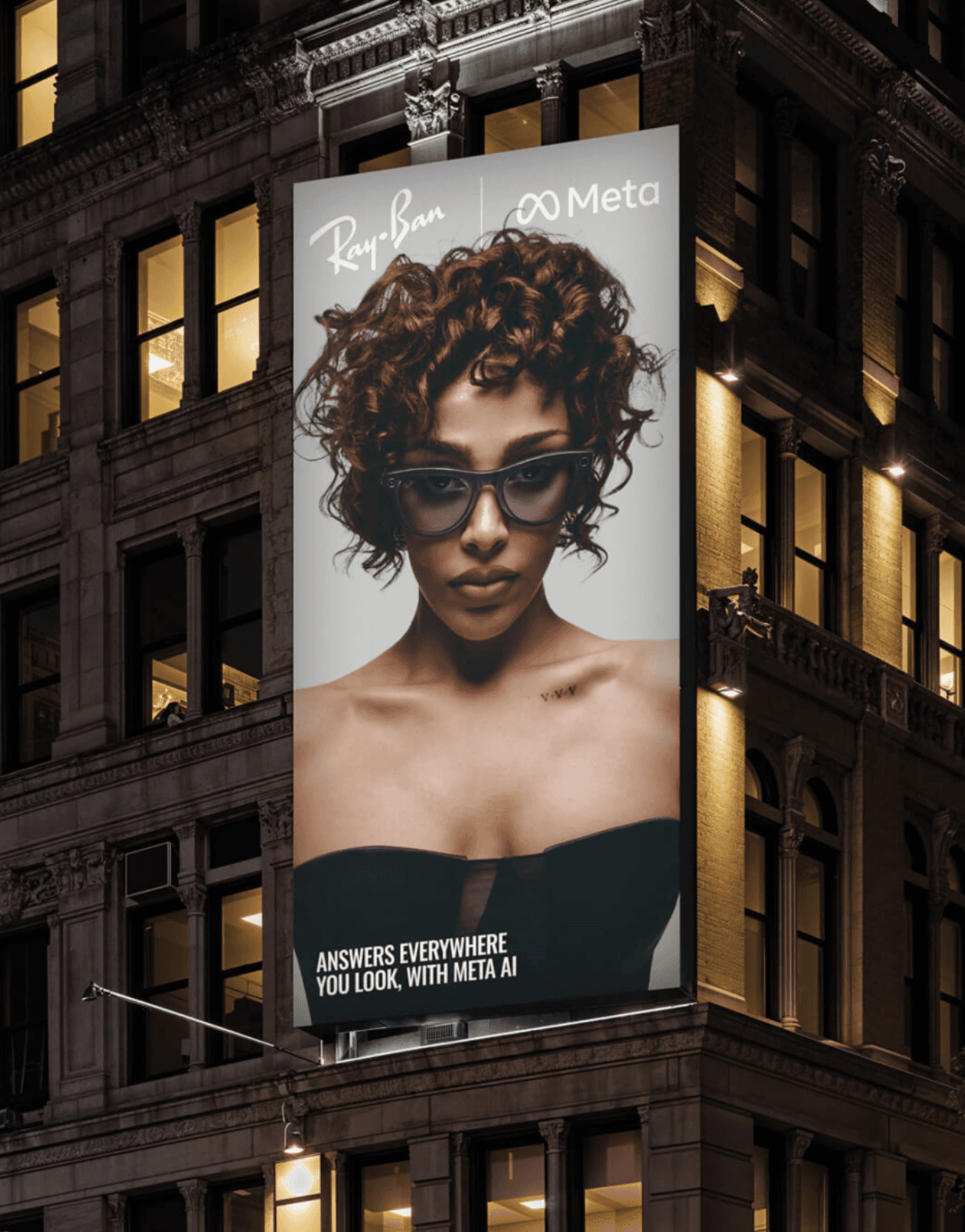
The Talent: iShowSpeed (Darren Watkins Jr.) and lifestyle/music icons like Doja Cat.
The Execution: Leaning into high-octane campaigns (including major Super Bowl pushes like Athletic Intelligence Is Here alongside athletes like Marshawn Lynch), these creators were shown moving at full speed while wearing the rugged Oakley Meta Vanguard frames. The footage shown was raw, shaking, authentic first-person POV video captured instantly through voice activation.

CONCLUSION: THE RETURN TO PRESENT LIFE
The ultimate success of the Meta eyewear ecosystem provides a critical blueprint for the future of design research. It proves that for advanced technology to achieve mass cultural adoption, it must submit entirely to the established rules of human sociology, ergonomics, and fashion.
By stripping away the high-friction, isolating screens of traditional mixed-reality concepts, this partnership managed to pull the user's eyes out of the smartphone cage and push them back into physical reality. The future of computing isn't an immersive digital escape; it is a transparent, hands-free interface that lets us stay locked into the world around us.
Related post

February 20, 2025
February 19, 2025